
UPVC doors are a common sight across Reading. We see them on family homes, flats, rental properties, shops, offices and shared entrances. They are practical, secure and generally reliable, but when the locking system starts to fail, the problem can quickly become stressful.
At Assured Locksmiths, we are often called out to homes and businesses where a UPVC door has suddenly stopped locking, the key will not turn or the handle has gone floppy. In many cases, the door has been giving warning signs for weeks or even months before it finally fails.
The issue is that many people ignore those early signs because the door still just about works. You may need to lift the handle a little harder than usual. You may need to jiggle the key. You may need to pull the door towards you while locking it. These things can feel minor at first, but they are often signs that the mechanism inside the door is under strain.
In this guide, we will explain the most common UPVC door lock problems we see in Reading, what the warning signs mean and why it is better to deal with the issue before you are locked out or unable to secure your property.
Why UPVC door locking systems fail
Most UPVC doors use a multi-point locking system. This means the door does not just lock at one point near the handle. When you lift the handle, several locking points engage along the edge of the door. These may include hooks, rollers, bolts or deadbolts depending on the type of mechanism fitted.
This type of system offers good security when it is working properly, but it relies on the door, frame, handle, gearbox, cylinder and locking strip all lining up correctly. If one part becomes worn, misaligned or damaged, the whole system can begin to struggle.
A UPVC door lock can fail for several reasons. The door may have dropped slightly on its hinges. The frame may have moved over time. The gearbox may be worn. The locking points may be catching against the keeps in the frame. The euro cylinder may be damaged or the handle may no longer be operating the mechanism as it should.
As upvc specialists in Reading, we regularly inspect these problems and identify whether a repair, adjustment or replacement part is needed.
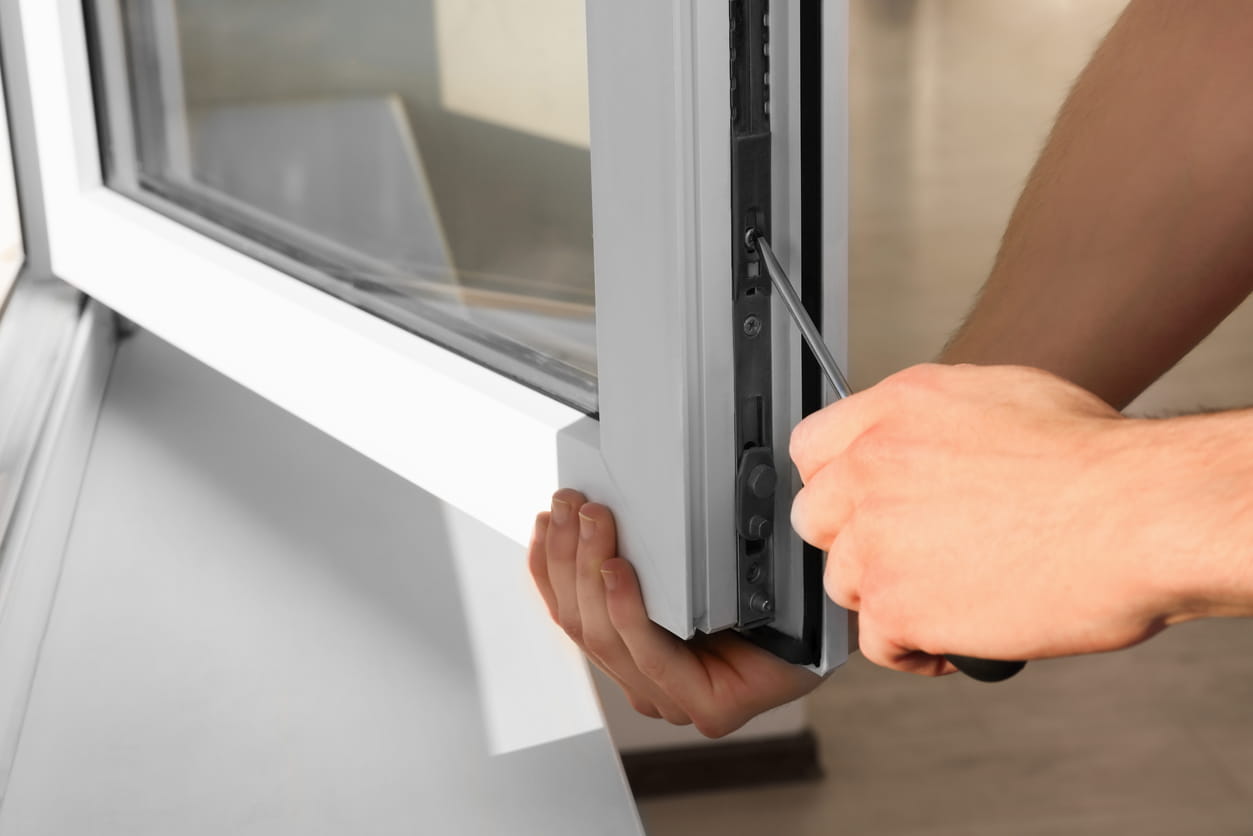
The handle is becoming stiff
One of the clearest signs of a failing UPVC door mechanism is a stiff handle. If you have to force the handle upwards to lock the door, there is usually an underlying problem.
A stiff handle often means the locking points are not lining up cleanly with the frame keeps. This can happen if the door has dropped, expanded slightly during warmer weather or shifted through regular use. The mechanism may still lock, but it is having to work harder than it should.
Forcing the handle can make the problem worse. The extra pressure may damage the gearbox inside the door. Once the gearbox fails, the door may become stuck locked or stuck unlocked. At that stage, the repair is usually more urgent and may be more costly than a simple adjustment would have been earlier on.
If your handle feels stiff, we recommend having it checked before it fails completely.
The key is hard to turn
Another common warning sign is a key that has become difficult to turn. You may find that the key catches, needs wiggling or only turns when the handle is held in a certain position.
This does not always mean the cylinder itself is faulty. In many UPVC doors, the key will not turn smoothly if the multi-point mechanism has not fully engaged. If the handle has not lifted correctly or the locking points are under pressure, the cylinder may feel like the problem even when the issue is elsewhere.
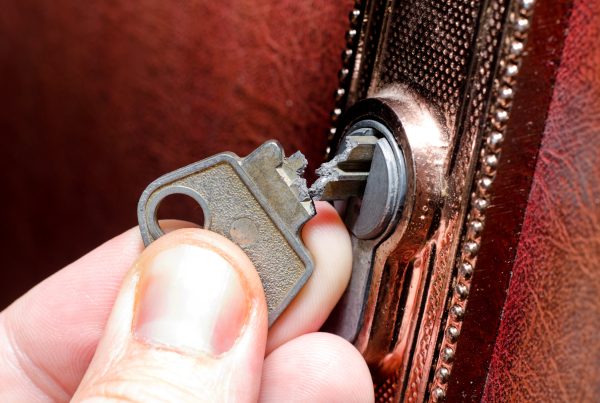
That said, euro cylinders can also wear out over time. Keys can become worn, cylinders can become stiff and internal pins can stop moving as they should. If the key is becoming unreliable, it is worth dealing with it early. A key snapping inside the lock can leave you unable to secure the door or unable to get in.
We always look at the full door setup rather than assuming the cylinder is the only issue.
You need to lift the handle several times
A UPVC door should usually lock with one smooth lift of the handle, followed by turning the key. If you have to lift the handle two or three times before the door locks, that is a sign something is not right.
This can happen when the door is slightly out of alignment. The locking points may be catching on the frame, meaning they do not fully engage the first time. It can also happen when the internal mechanism is wearing down.
Many people get used to this and treat it as normal. It is not. A door that needs repeated attempts to lock is telling you that the system is struggling. Eventually, it may stop engaging altogether.
If the door is on a main entrance, back door or rental property, this can become a serious security issue. It is much better to have the door inspected before it reaches that point.
The handle feels loose or floppy
A loose or floppy handle can be caused by worn handle springs, loose screws or a failing gearbox. Sometimes the handle drops down after use. Sometimes it feels weak when you lift it. Sometimes it moves but does not seem to operate the locking mechanism properly.
This is a problem we often see on older UPVC doors or doors that are used many times a day. A floppy handle should not be ignored because it may be an early sign that the internal parts are wearing out.
If the handle fails completely, you may not be able to engage or disengage the locking points. This can leave the door stuck shut or unable to lock. For commercial premises, shared entrances and rental properties, this can cause disruption very quickly.
Our locksmiths in Reading can assess whether the handle set, gearbox or full locking mechanism needs attention.
The door only locks when you push or pull it
If you need to push, pull or lean against the door while lifting the handle, the door is likely out of alignment. This is one of the most common UPVC door problems we attend.
The issue may be with the hinges, keeps or door position. Over time, doors can drop slightly. This can be caused by everyday use, temperature changes or the weight of the door itself. When the door moves out of line, the locking points no longer meet the frame correctly.
You may notice the problem more at certain times of year. Some doors become harder to lock in warm weather because the materials expand slightly. Others become more awkward in colder months. Either way, if the door no longer locks smoothly without pressure, it should be looked at.
A properly adjusted door should not need force. When force becomes part of your daily routine, the mechanism is taking unnecessary strain.
The door is difficult to open after unlocking
Sometimes the problem is not locking the door, but opening it again. You may unlock the door and find that the handle lifts or drops, but the door still feels stuck. This can happen when one or more locking points are not retracting properly.
This can be worrying because it may feel like the door is locked even when the key has turned. It can also be a sign that the internal mechanism is failing.
If this starts happening, avoid forcing the door too aggressively. Pulling hard on the handle can cause further damage. It is better to get the issue checked while the door can still be opened. Once a mechanism fails in the locked position, the job can become more complex.
The key turns but the door does not lock
If the key turns but the door does not lock properly, there may be a problem with the cylinder, gearbox or multi-point mechanism. This is a serious issue because the door may appear secure when it is not.
In some cases, the key may turn without engaging the lock. In others, the handle may lift but the locking points do not move fully into place. You may hear unusual clicking, grinding or slipping inside the door.
This should be treated as urgent, especially if it is an external door. A faulty locking system can leave your home or business vulnerable. If you are not sure whether your door is secure, we recommend arranging a locksmith visit as soon as possible.
The lock makes grinding or clicking noises
A healthy UPVC door lock should not make harsh grinding, crunching or repeated clicking sounds. Some noise is normal when the mechanism moves, but anything that sounds rough or strained may suggest worn internal parts.
Grinding can mean the gearbox is struggling. Clicking can mean the mechanism is slipping or not engaging properly. These sounds are often followed by stiffness, handle problems or complete lock failure.
When we attend these types of jobs, we check the door alignment first, then inspect the mechanism. Sometimes an adjustment solves the problem. In other cases, the gearbox or locking strip may need replacing.
The main point is not to ignore unusual noises. They are often an early warning that parts inside the door are wearing or under pressure.
The door has dropped or catches on the frame
A dropped UPVC door may scrape, catch or feel heavy when opening and closing. You may notice marks on the frame or feel resistance at the bottom or side of the door.
When the door drops, the locking system is rarely far behind. Even a small amount of movement can stop the hooks, rollers or bolts from lining up correctly with the keeps.
If the door is catching on the frame, it may be tempting to lift it by the handle each time you close it. This puts extra pressure on the handle and gearbox. Over time, that pressure can lead to failure.
Door alignment is one of the first things we check. In many cases, early adjustment can prevent unnecessary lock replacement.
The door will not double lock
Many UPVC doors need the handle to be lifted before the key can be turned to fully secure the door. If you can close the door but cannot double lock it, the locking points may not be fully engaging.
This can leave the door less secure than intended. It may also affect insurance requirements if the door is not locked properly.
The cause may be misalignment, worn parts or a gearbox fault. We would not recommend leaving this problem unresolved. If the door cannot be fully locked, it needs attention.
Why Reading homeowners should act early
We know how easy it is to put off small lock issues. If the door still locks most of the time, it may not feel urgent. However, UPVC locking mechanisms often fail gradually before they fail suddenly.
Acting early can help you avoid being locked out, being locked in or having a door that cannot be secured overnight. It can also reduce the risk of damage to the mechanism, handle or cylinder.
For homeowners, the main concern is usually security and convenience. For landlords, there is also a responsibility to keep tenants safe and ensure doors work properly. We provide landlord locksmith services in Reading for rental properties where locks need repairing, replacing or checking between tenants.
For businesses, a faulty UPVC or commercial door lock can affect opening hours, staff access and site security. We also provide commercial locksmith services in Reading for shops, offices and other local premises.
Repair or replacement: what is usually needed?
Not every UPVC door lock problem means the full mechanism needs replacing. Sometimes the door simply needs adjusting. Sometimes the keeps need realigning. Sometimes the handle or cylinder is the issue rather than the full strip.
However, if the gearbox has failed or the mechanism is badly worn, replacement may be the best option. The gearbox is the central part that connects the handle and cylinder to the locking system. When it fails, the handle may stop operating the locking points properly.
We always aim to identify the most practical solution. Where a repair or adjustment is suitable, we will say so. Where replacement parts are needed, we will explain what has failed and why.
Can you fix a UPVC door lock yourself?
There are a few simple checks you can make. You can see whether the door locks smoothly when open. You can check whether the key works better with a spare key. You can look for obvious signs of the door catching on the frame.
However, we would be careful with DIY repairs on UPVC mechanisms. Removing handles, cylinders or locking strips without the right knowledge can make the issue worse. If the door is already difficult to lock or unlock, disturbing the mechanism may leave it stuck.
We also recommend avoiding excessive force, oiling everything without knowing the cause or repeatedly lifting the handle hard to make the lock work. These habits can hide the problem for a short while but may cause more damage.
When to call Assured Locksmiths
You should call us if your UPVC door is stiff, unreliable, noisy or difficult to lock. You should also call if the key is hard to turn, the handle feels loose or the door only locks when pushed or pulled.
The earlier we inspect the issue, the more chance there is of preventing a complete failure. We can check the alignment, locking points, gearbox, cylinder and handles to find the cause of the problem.
At Assured Locksmiths, we help homeowners, landlords and businesses across Reading with UPVC door lock repairs, adjustments and replacements. Whether the problem is minor or urgent, we will give clear advice and practical help.
If your UPVC door lock is showing signs of failure, contact us today and we will be happy to help.