
Moving house comes with a long list of jobs and changing your locks should be near the top. It is easy to focus on unpacking, updating your address and getting settled, but your home security needs attention from day one. If you have just moved into a property in Reading, you cannot be sure how many spare keys are still in circulation or who may still have access.
Previous owners, tenants, neighbours, cleaners, tradespeople or letting agents may still have working keys. Even if everyone involved has acted honestly, you still face a security risk if you do not know the full history of the locks. That is why many homeowners, landlords and tenants arrange lock changes as soon as they move in.
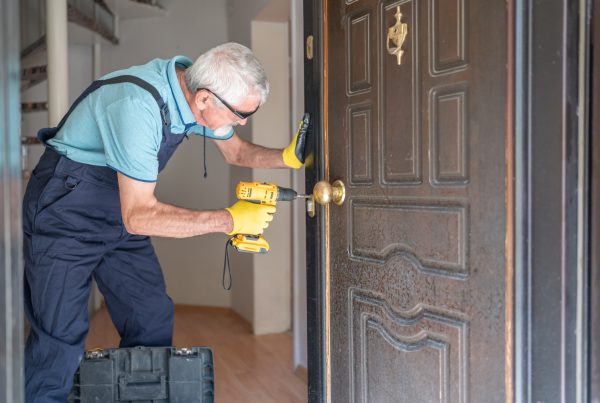
If you want peace of mind in your new home, changing the locks is one of the simplest ways to make the property feel like yours. A local locksmith in Reading can assess the condition of your locks, advise you on the best option and help you secure your home without delay.
Why should you change your locks after moving house?
The biggest reason is simple. You do not know who still has a key.
Even if the previous owner hands over a full set of keys, that does not tell you whether extra copies were made in the past. A house may have changed hands several times, been rented out, had work carried out or been used by multiple family members. If old keys are still out there, your property could remain vulnerable.
Changing your locks also gives you the chance to check whether your current security is good enough. Some homes still have older locks that no longer offer the level of protection you would want. If the locks are worn, loose or difficult to use, moving house is the right time to deal with the problem properly.
For landlords in Reading, lock changes can also support better property management between tenancies. For tenants, it is worth speaking to your landlord if you have concerns about who may still have access to the property.
When is the best time to change your locks?
The best time to change your locks is as soon as possible after moving in.
If you can arrange it for the day you get the keys, even better. That way, you start life in your new home knowing you control access from the beginning. This is especially important if the property has been empty for a while, recently sold, previously rented or has signs of worn or damaged locks.
Properties with an unclear key history should always be treated with caution. If several people may have had access in the past, changing the locks quickly is a sensible step that helps you take control of your home security from the start.
Have you moved into a home where lots of people may have had keys?
Some properties come with more uncertainty than others. You should strongly consider immediate lock changes if the home was:
- previously rented
- recently renovated
- used as a shared house
- managed by a letting agent
- left vacant for a long period
- sold after a divorce or family change
In these situations, there is a higher chance that spare keys exist and have not been returned.

Are the current locks old, damaged or unreliable?
A move gives you the perfect opportunity to inspect the condition of every lock on the property. If the front door lock is stiff, the back door does not close properly or the patio doors feel insecure, do not leave it until later. Small issues can turn into bigger security problems.
A professional locksmith can tell you whether a repair is enough or whether replacement is the better option. In some cases, changing the cylinder is all you need. In others, full lock replacement may be the safest route.
What risks do you face if you keep the existing locks?
Keeping the same locks might save time in the short term, but it can create problems later.
The main risk is unauthorised access. If someone still has a key, they may be able to enter without forcing the door. That creates obvious concerns for your safety, your belongings and your peace of mind.
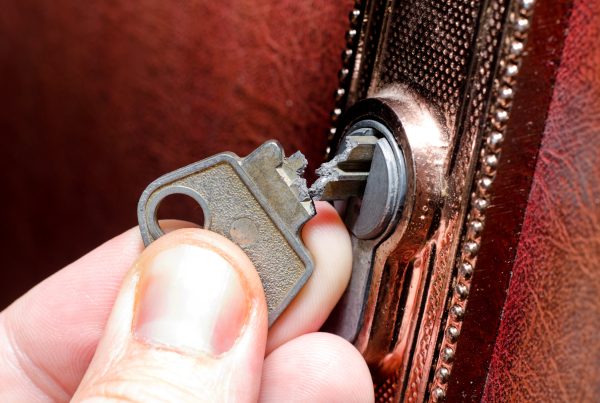
There is also the issue of wear and tear. Older locks may fail when you least expect it, leaving you locked out or unable to secure the property properly. If you have just moved in, the last thing you want is an emergency callout because a tired lock has finally given up.
Faulty or outdated locks can also affect how secure your home feels day to day. You may notice that doors stick, keys catch or locks feel loose. These are signs that your locks need attention.
Should you change every lock in the house?
Not always, but you should review every entry point.
Your front door is the first priority, followed by back doors, side doors, patio doors and any external access doors to garages or outbuildings. Ground floor windows and other vulnerable entry points should also be checked as part of your overall home security plan.
A locksmith can help you decide what needs immediate work and what can wait. Some homes only need one or two lock changes. Others benefit from a wider security review, especially if you want all entry points to work to the same standard.
What about spare keys?
Spare keys are useful, but they should be controlled properly.
Once your locks have been changed, you can decide exactly who gets a copy. That may include a partner, trusted family member or someone who may need emergency access. The key point is that the decision is now yours.
You should avoid handing out too many copies and keep a simple record of who has one. If you lose a key after moving in, speak to a locksmith straight away. In many cases, a quick lock change is the safest option.
Why does using a local locksmith in Reading matter?
A local locksmith offers faster support, local knowledge and a more personal service. If you have just moved into a new home, you want someone who can respond promptly, assess the property in person and recommend practical solutions that fit your needs.
Choosing a locksmith in Reading also makes it easier to get help if you need follow-up work, extra keys or advice on improving your home security. Local reputation matters, especially when you are trusting someone to secure your property.
A reliable locksmith will explain your options clearly, carry out quality work and make sure your home is secure before they leave. You should expect honest advice, fair pricing and no unnecessary upselling.
What should you ask a locksmith after moving house?
Before any work starts, it helps to ask a few clear questions:
- Which locks need changing now?
- Can any of the current locks be repaired?
- Are the locks suitable for the type of door?
- Do you recommend additional security for windows or patio doors?
- How many spare keys should I have cut?
- What will the total cost be?
These questions help you make informed decisions and avoid surprises.
Do landlords and tenants in Reading need to think differently about lock changes?
Yes, slightly.
If you are a landlord, changing locks between tenancies is a sensible way to protect your property and your new tenant. It shows good management and reduces the chance of access problems from previous occupants.
If you are a tenant, you should not usually change locks without permission from your landlord or managing agent. If you have security concerns, raise them straight away and ask for written approval before any work is carried out.
When should you book a locksmith after moving house in Reading?
You should book a locksmith as soon as you move in or ideally for moving day itself.
That gives you immediate control over who can access your property and helps you deal with any issues before they become urgent. Whether you have bought your first home, taken on a rental property or are managing a let in Reading, changing your locks is a smart early step.
Your home should feel secure from the moment you arrive. If you have recently moved house in Reading and want clear advice on lock changes, spare keys or improving your home security, contact a trusted local locksmith and get the right protection in place straight away.