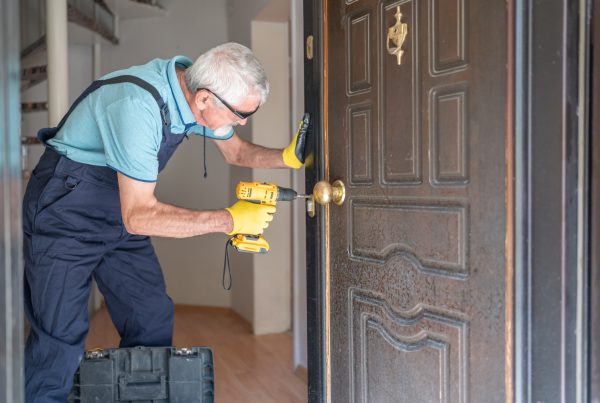
A door that will not lock properly can be frustrating, worrying and inconvenient. Sometimes the problem starts slowly. You might notice the key needs a little more force than usual, the handle feels stiff or the door has to be pulled towards you before it locks. Other times, the fault appears suddenly and leaves you unable to secure your home or business.
At Assured Locksmiths, we regularly help customers in Wokingham with doors that will not lock, locks that feel stiff and keys that no longer turn as they should. The cause is not always obvious from the outside. In some cases, the issue is with the lock itself. In others, the door may have dropped, the frame may have moved or the locking points may no longer line up correctly.
As experienced locksmiths in Wokingham, we know how important it is to deal with these issues quickly. A faulty lock can leave your property less secure. It can also become worse if you keep forcing the key or handle.
In this guide, we explain some of the most common reasons a door will not lock properly and what you should do if it happens to you.
The door may have dropped out of alignment
One of the most common causes of locking problems is door misalignment. This is especially common with uPVC and composite doors, but it can also happen with timber doors.
When a door drops slightly, the locking points may no longer line up with the keeps in the frame. The keeps are the metal parts fixed to the frame where the bolts, hooks or rollers lock into place. If the alignment is off, the locking mechanism may struggle to engage.
You may notice that you need to lift the handle harder than usual, push the door, pull the door towards you or lift it slightly before the key will turn. These are clear signs that the lock may not be lining up correctly.
This can happen for several reasons. Hinges may loosen over time. The weight of the door can cause it to sag. Regular use, weather changes and movement in the frame can also affect alignment.
If the door is misaligned, replacing the cylinder alone may not solve the problem. The door may need adjusting so the locking points line up again. A professional locksmith can inspect the door, check the hinges and adjust the keeps or mechanism where needed.
The lock mechanism may be worn
Locks are used every day, often several times a day. Over time, internal parts can wear down. This can make the lock feel stiff, loose or unreliable.
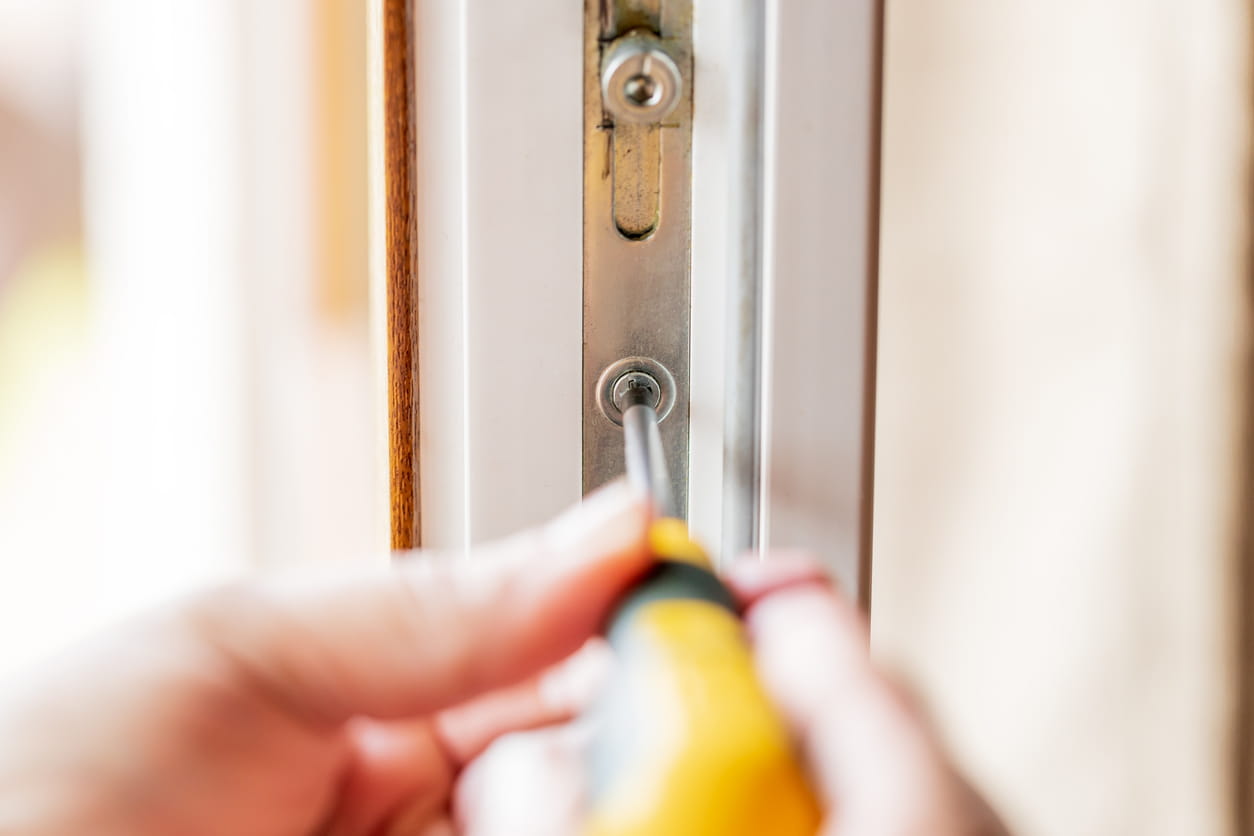
On many uPVC and composite doors, the lock is part of a larger multi-point locking system. When you lift the handle, several locking points move into place along the edge of the door. If the gearbox or internal mechanism starts to fail, the handle may become hard to lift or the key may refuse to turn.
A worn mechanism can sometimes give warning signs before it fails completely. You may hear grinding, clicking or scraping. The handle may not return properly. The key may turn halfway then stop. You may also notice that the door locks from one side but not the other.
It is important not to force the handle or key. Forcing a worn mechanism can cause it to break fully, which may leave you locked in or locked out. It can also make the repair more difficult.
If you are based in Wokingham and your door has started behaving this way, it is better to arrange a check before the lock fails completely. As a local Wokingham locksmith, we can assess the mechanism and advise whether it can be repaired or whether replacement is needed.
The key may be damaged or worn
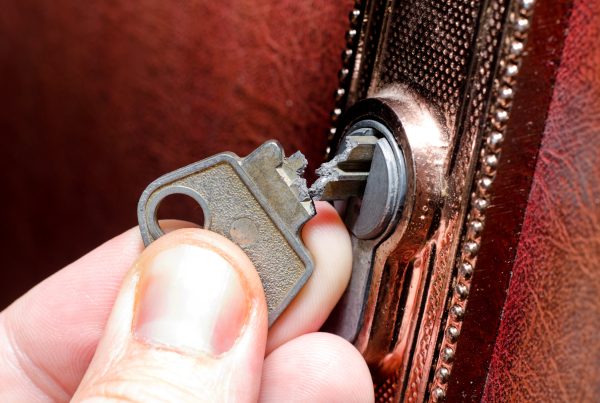
Sometimes the problem is not the door or the lock, but the key itself. Keys can become bent, worn or damaged through regular use. A worn key may no longer lift the pins or parts inside the lock correctly, which can make turning difficult.
This is more likely if you have been using the same key for many years. It can also happen if the key has been copied from an already worn key. Each copy can be slightly less accurate than the original, so a poor duplicate may cause problems even if the lock itself is still in good condition.
Signs of a key problem include difficulty turning the key in several doors, visible bends or cracks, sharp worn edges or a key that only works when moved in a certain way.
If you have a spare key, try it gently. If the spare works smoothly, the main key may be the issue. However, if both keys are difficult to use, the lock or door alignment is more likely to be at fault.
You should never use a damaged key if it feels close to snapping. A broken key inside a lock can turn a simple issue into an urgent callout.
The cylinder may be faulty
The cylinder is the part of the lock where the key goes in. On many modern doors, particularly uPVC and composite doors, this is a euro cylinder. If the cylinder becomes worn or damaged, the key may stick, spin, jam or fail to turn.
A faulty cylinder can be caused by wear and tear, poor key copies, attempted forced entry or internal damage. Sometimes dirt and debris can also affect how smoothly it works.
If the key goes into the lock but will not turn, the cylinder may be the problem. If the key turns but the door still will not lock, the fault may be with the mechanism or alignment instead.
A locksmith can test the cylinder and identify whether it needs replacing. In many cases, replacing the cylinder is a straightforward job. It can also be a good opportunity to upgrade to a more secure option if your current cylinder is old or basic.
For homes in Wokingham, anti-snap cylinders are often worth considering on external doors. These are designed to offer better protection against certain methods of attack. We can explain the options clearly and fit a suitable cylinder if replacement is needed.
Weather may be affecting the door
Weather can have a surprising effect on doors and locks. During colder, wetter months, timber doors may swell. In warmer weather, doors and frames can expand slightly. uPVC and composite doors can also move with temperature changes.
This movement can affect how the door sits in the frame. A lock that worked smoothly in summer may start sticking in winter. A door that locks well in the morning may feel different later in the day as temperature and humidity change.
If your door only locks properly at certain times, weather-related movement could be part of the problem. This does not mean you have to live with it. The door may need adjustment, or the lock and keeps may need checking to make sure everything lines up properly.
It is also worth checking whether the door is catching at the top, bottom or side. If you can see rubbing marks or feel resistance when closing the door, alignment may be affected.
The handle may be loose or failing
Door handles are closely linked to locking problems, especially on doors with multi-point locking systems. If the handle is loose, stiff or not lifting fully, it may stop the locking points from engaging correctly.
A loose handle can be caused by worn springs, loose screws, internal wear or strain from a misaligned door. If you have been needing to force the handle to lock the door, the handle and mechanism may both be under pressure.
You may notice that the handle droops, wobbles or feels rough when lifted. It may also fail to return to its normal position after use.
Sometimes the handle can be repaired or tightened. In other cases, replacement may be the better option. However, it is important to check why the handle has failed. If the door is misaligned and putting strain on the mechanism, a new handle may not solve the underlying issue.
The door frame or keeps may be damaged
The frame plays an important role in locking. If the keeps are loose, damaged or poorly positioned, the locking points may not enter properly. This can make the door difficult or impossible to lock.
Damage can occur through wear and tear, attempted break-ins, slamming doors or movement in the frame. Screws can loosen over time. Keeps can shift slightly. Timber frames can split or weaken.
If your door locks when open but not when closed, this often points to an alignment or frame issue rather than a fault with the lock itself. When the door is open, the mechanism has no frame to engage with, so it may move freely. When the door is closed, the locking points may hit the keeps incorrectly.
A locksmith can check the frame, test the lock with the door open and closed and identify where the problem is happening.
There may have been an attempted break-in
If your door suddenly will not lock properly, it is worth checking for signs of tampering. Scratches around the lock, marks near the handle, damage to the cylinder or dents around the door edge can suggest someone may have tried to force entry.
Even if they did not get in, an attempted break-in can damage the lock or weaken the mechanism. The door may still appear secure, but internal parts could be affected.
If you notice any signs of damage, do not ignore them. Arrange for the lock to be inspected as soon as possible. It may need replacing, and you may also want to consider a security upgrade.
You should also report suspected attempted break-ins to the police, especially if there is visible damage or CCTV footage.
Why forcing the lock can make things worse
When a door will not lock, it is natural to try harder. You may lift the handle with more force, push the door, pull it towards you or turn the key repeatedly. While this might work once or twice, it can make the problem worse.
Forcing the lock can damage the gearbox, snap the key, bend internal parts or place extra strain on the handle. If the door is misaligned, force does not fix the problem. It only puts more pressure on the lock.
If you feel resistance, stop and call a locksmith. A small adjustment or repair may be enough if the problem is caught early. Waiting until something breaks can make the job more urgent and more costly.
What to check before calling a locksmith
There are a few simple checks you can do safely before calling for help. First, try the door gently when it is open. Lift the handle and turn the key without closing the door. If it works smoothly when open but not when closed, alignment is likely to be the issue.
Next, try a spare key if you have one. If the spare works better, your main key may be worn or damaged.
Look at the door frame and edge of the door. Check for obvious rubbing, loose screws, damage or signs that the door has dropped. You can also check whether the handle feels loose or stiff.
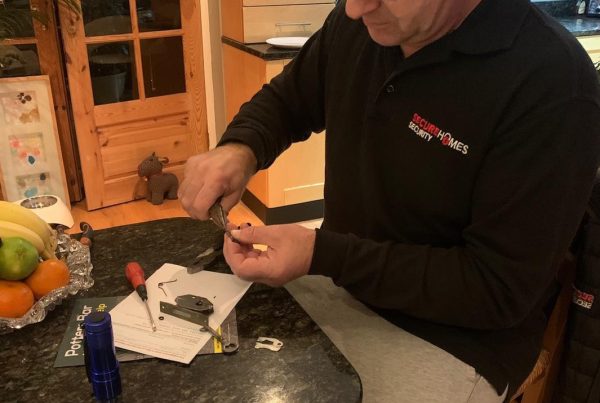
Do not remove parts unless you know what you are doing. Taking a lock apart without the right tools or knowledge can make it harder to secure the door afterwards.
When to call Assured Locksmiths
You should call a locksmith if the key will not turn, the handle will not lift, the door will not lock when closed or you are worried about security. You should also arrange help if the lock has become stiff, noisy or unreliable.
At Assured Locksmiths, we help customers in Wokingham with lock repairs, lock replacements, door alignment issues, broken keys, faulty mechanisms and security checks. We always aim to explain the problem clearly and recommend a practical solution.
Sometimes a small adjustment is enough. Sometimes a worn part needs replacing. If a lock is damaged beyond repair, we can fit a suitable replacement and make sure the door is working properly before we leave.
Keep your door secure and working properly
A door that will not lock properly should never be ignored. It may start as a minor annoyance, but it can quickly become a security issue or leave you locked out. The sooner the problem is checked, the easier it often is to fix.
Whether the cause is a dropped door, worn mechanism, damaged key, faulty cylinder, loose handle or frame issue, professional advice can help you avoid guesswork.
If your door is not locking properly in Wokingham, Assured Locksmiths can help. Please get in touch and we will arrange the right support to get your door secure and working as it should.