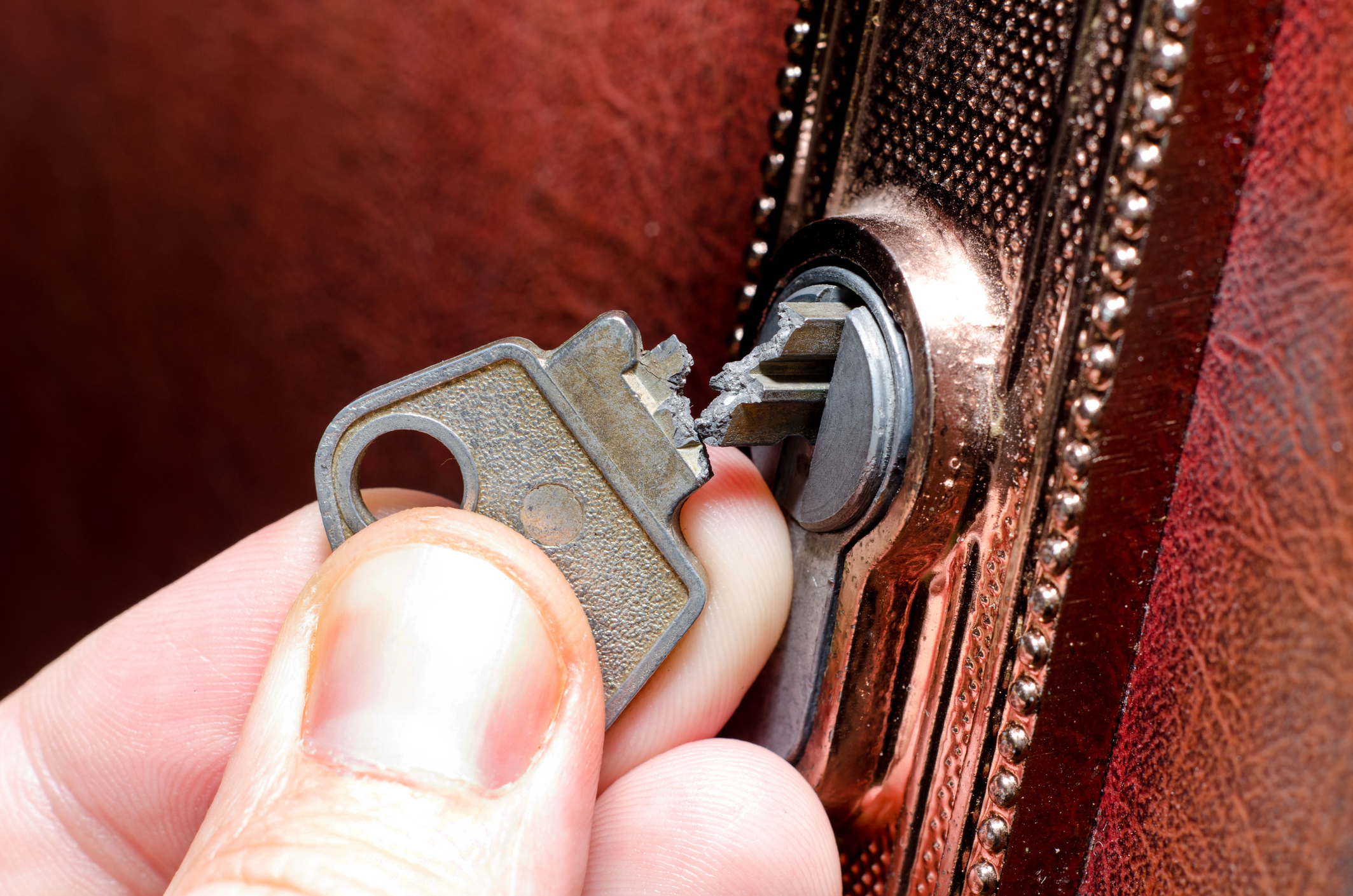
A key snapping inside a door lock can leave you unable to enter your home, lock your property or open your business premises. It often happens without much warning. The key may have felt slightly stiff for a few days before breaking, or it may snap suddenly as you turn it.
When a key breaks in a lock, it is important not to panic or immediately reach for a screwdriver. Trying to force the remaining piece out can push it further into the cylinder or damage the internal components. What begins as a straightforward key extraction can then become a more complicated lock repair.
At Assured Locksmiths, we help homeowners, tenants, landlords and businesses across Reading when keys snap, locks jam or doors can no longer be secured. Knowing what to do next can help you avoid further damage and make it easier for a locksmith to resolve the problem.
Why Do Keys Snap Inside Door Locks?
House and business keys are used repeatedly, often several times each day. Over time, the metal can weaken through normal wear. Small bends, cracks or worn edges may not be immediately obvious, but they can make the key more likely to break when pressure is applied.
A damaged key is not always the only cause. The lock itself may be stiff, worn or beginning to fail. If the key has become difficult to turn, the cylinder pins or internal parts may no longer be moving correctly. Forcing the key places additional pressure on its weakest point.
Door alignment can also contribute to the problem. Timber doors can move as temperature and moisture levels change, while UPVC and composite doors can drop or shift slightly within their frames. If the locking points are not lining up correctly, you may need to use extra force to lift the handle or turn the key. This strain can eventually cause the key or locking mechanism to fail.
Keys can also weaken when they are used for tasks they were not designed for, such as opening packaging or levering objects. Even a slight bend can affect how smoothly a key enters and turns inside a lock.
What Should You Do When a Key Snaps in the Lock?
The first thing to do is stop trying to turn the broken key. Avoid inserting another key from the opposite side and do not push tools into the keyway. These actions may move the broken section deeper into the cylinder.
Check whether the door is currently open or closed. If the door is open, try to keep it open until the problem has been assessed. Closing it could leave you locked outside or prevent the door from being secured again.
If part of the key remains in your hand, keep it somewhere safe. A locksmith may be able to examine the break and determine whether the key was already worn or whether resistance within the lock caused it to snap. The remaining piece may also be useful if a replacement key needs to be arranged.
Take a clear photograph of the lock, handle and broken section if it is safe to do so. This can help us understand the type of door and lock involved before attending.
If you are locked out, unable to secure the property or dealing with an external business entrance, our emergency locksmiths can assess the situation and explain the safest suitable way to restore access.
Should You Try to Remove the Broken Key Yourself?
It can be tempting to attempt a quick repair, particularly if part of the key is still visible. However, home removal attempts often make the situation worse.
Tweezers may push the broken section further into the lock if they cannot grip it securely. Pins, knives and screwdrivers can damage the keyway or interfere with the internal pins. Applying excessive lubricant can attract dirt or make the lock difficult to work on.
Glue should never be applied to the remaining piece of key. It can spread into the cylinder and bond with internal components, turning a simple extraction into a complete lock replacement.
If a large section of the key is clearly protruding and can be removed without force, it may come free with a very gentle pull. Stop immediately if there is resistance. The safest option is usually to leave the lock as it is and arrange professional help.
Can a Locksmith Remove a Snapped Key Without Damaging the Lock?
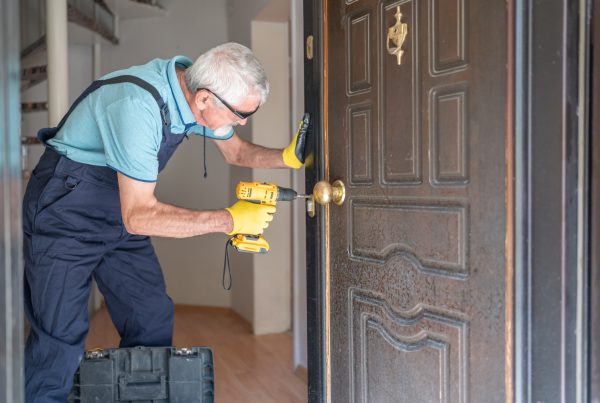
In many cases, a locksmith can extract a broken key without damaging the cylinder. The exact method will depend on how deeply the key is lodged, the position of the cylinder and whether the lock has failed internally.
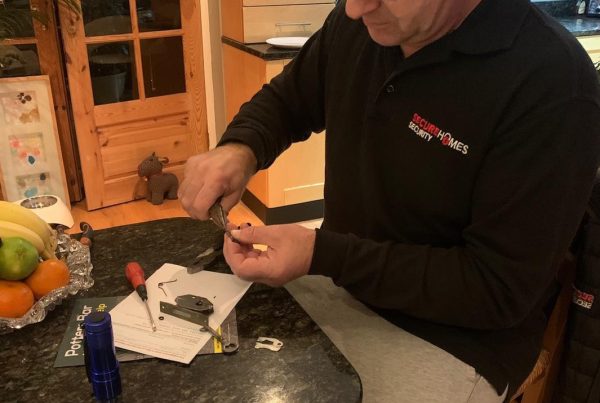
Professional extraction tools are designed to reach alongside the broken key and carefully withdraw it from the keyway. Before attempting removal, the locksmith will assess the lock, the door and the position of the key.
Once the fragment has been removed, the lock should be tested rather than immediately assumed to be safe. A key may have snapped because the cylinder is worn, the mechanism is failing or the door is out of alignment. Simply cutting another key without addressing the original cause could result in the same problem happening again.
Where the existing lock remains dependable, replacement may not be necessary. If the cylinder or mechanism is damaged, we will explain the available repair or replacement options before carrying out the agreed work.
What If the Key Snaps in a UPVC or Composite Door?
UPVC and composite doors commonly use euro cylinders connected to multipoint locking mechanisms. When you lift the handle, hooks, rollers or bolts move into keeps positioned around the frame. Turning the key then secures the mechanism.
If the door has dropped or become misaligned, the locking points may not enter the keeps smoothly. You may notice that the handle has become difficult to lift or that the key only turns when you push or pull the door. Continuing to force it can strain the key, cylinder and gearbox.
When a key snaps in this type of door, the cylinder is only one part of the system that needs to be checked. We may also inspect the handles, gearbox, locking strip, keeps and overall door alignment.
Replacing the cylinder without correcting a misaligned door could leave the new lock under the same pressure. A proper inspection helps identify the actual fault and reduces the risk of another failure.
What If the Key Breaks in a Timber Door Lock?
Timber entrance doors may be fitted with mortice locks, night latches or a combination of both. A key can snap because the lock case is worn, the bolt is binding against the keep or the door has moved within the frame.
If the broken key is inside a mortice lock, extraction can depend on the position of the levers and whether the key turned before snapping. A locksmith will inspect the door and lock before choosing a suitable approach.
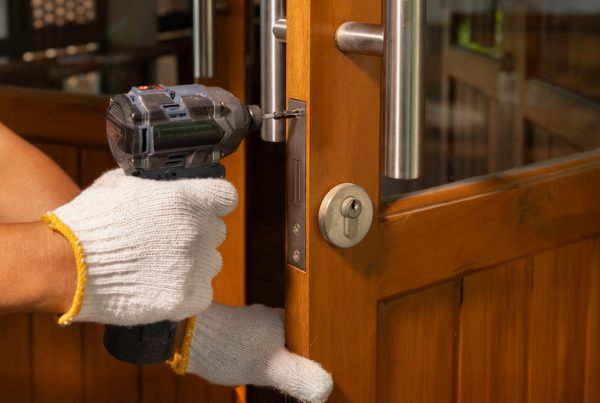
Our residential locksmith services cover broken key extraction, faulty lock diagnosis, lock repairs and suitable replacements for homes across Reading. We aim to repair a dependable lock where practical and only recommend replacement when it is necessary.
What Happens If a Key Snaps at a Business Premises?
A broken key can cause immediate disruption for a shop, office, school, warehouse or managed building. Staff may be unable to open the premises at the start of the day, secure an entrance at closing time or access an important internal area.
The first priority is determining whether the building can be safely accessed and secured. The affected door may have a standard cylinder, mortice lock, multipoint system or another commercial locking arrangement. It may also form part of a wider key-control system.
Business owners and facilities managers should avoid asking several employees to try their copies of the key. If the lock is already damaged or under strain, another key could also become stuck or break.
Our commercial locksmith services support Reading businesses with failed locks, broken keys, authorised entry and planned security work. Where a broader issue affects multiple key holders or access points, we can explain what further assessment may be required.
Will the Lock Need to Be Replaced?
A snapped key does not automatically mean the entire lock needs replacing. If the key can be removed cleanly and the lock operates correctly with an undamaged key, the existing lock may remain usable.
Replacement may be appropriate if the cylinder is worn, the keyway is damaged or the internal mechanism is unreliable. It may also be recommended if the lock does not provide suitable security for the door.
If the key broke because the door is misaligned, adjustment may be just as important as work to the lock itself. We inspect the complete setup so the recommendation addresses the cause rather than only the immediate symptom.
The suitable solution depends on the door material, lock type and condition of the existing components. Any replacement should be correctly sized, compatible with the door and suitable for the way the property is used.
Can a New Key Be Cut From the Broken One?
It may be possible to use the original key as a reference, depending on its condition and the type of key involved. However, copying a heavily worn key can reproduce the same worn profile.
If another undamaged original key is available, it may provide a better reference. Before using a newly cut key, the lock should be checked to ensure that stiffness or an internal fault did not cause the original break.
Never force a replacement key if it does not turn smoothly. A newly cut key should enter and operate the lock without excessive pressure.
How Can You Prevent a Key From Snapping Again?
Pay attention to changes in how your lock feels. A key that becomes difficult to insert, catches during turning or requires repeated movement should not be ignored. These signs may indicate wear within the key or lock.
Inspect frequently used keys for visible bends, cracks and worn edges. Replace damaged keys before they fail and avoid using them as tools. Keep spare keys in good condition rather than relying on copies made from badly worn originals.
Do not force a door that only locks when pushed, pulled or lifted. This often indicates an alignment issue that should be assessed. Early adjustment or repair may prevent damage to the key and locking mechanism.
It is also worth having unreliable locks inspected before they fail completely. Planned work is usually less stressful than dealing with a snapped key when you are trying to leave for work or secure the property late at night.
How Much Does Broken Key Removal Cost in Reading?
The cost depends on the type of lock, where the key has broken and whether the lock or mechanism has also failed. Extracting a visible key fragment from an otherwise working cylinder is different from opening a locked door with a damaged multipoint mechanism.
Replacement parts may not be required if the key can be removed and the lock remains reliable. If a cylinder, mortice case or gearbox needs replacing, the part required will affect the overall cost.
When you contact us, describe the door, the lock and what happened immediately before the key snapped. We will explain the next practical step and discuss the available options before agreed work begins.
Key Snapped in a Lock in Reading? Contact Assured Locksmiths
A broken key can quickly leave a home or business inaccessible or unsecured. Avoid forcing the lock, inserting tools or applying glue to the keyway. Keeping the lock untouched gives a locksmith the best chance of extracting the key without unnecessary damage.
We assist customers across Reading, including Caversham, Tilehurst, Earley, Lower Earley, Whitley and the town centre. Whether the key has snapped in a residential front door, commercial entrance or UPVC locking system, we will inspect the cause and recommend a suitable solution.
If your key has snapped in the lock, get in touch with Assured Locksmiths to describe the problem and check our current availability.