Being locked out of your home or business is stressful enough without worrying that your door or lock will be damaged during entry. One of the most common questions customers ask is whether a locksmith can open a locked door without drilling the lock.
In many cases, the answer is yes. A trained locksmith can often use non-destructive entry methods to open a door while leaving the existing lock intact. However, the method used will depend on the type of lock, the condition of the mechanism and the reason the door will not open.
At Assured Locksmiths, we always assess the door and locking system before deciding how to proceed. Drilling is not treated as the automatic response to a lockout. Where a suitable non-destructive method is available, we will use it to help restore access while avoiding unnecessary damage.
What Is Non-Destructive Door Entry?
Non-destructive entry means opening a locked door without damaging the door, frame or locking system. The aim is to regain authorised access while allowing the existing lock to continue working after the door has been opened.
A locksmith may use specialist tools and professional techniques suited to the lock involved. The correct approach varies according to whether the door has a cylinder lock, mortice lock, night latch or multipoint locking mechanism.
Non-destructive entry is not always possible, but it should be considered before drilling. A responsible locksmith will inspect the lock, ask questions about what happened and choose a method based on the specific circumstances.
When Can a Locksmith Open a Door Without Drilling?
The likelihood of opening a door without drilling depends heavily on whether the lock is still functioning correctly.
If you have simply closed the door with the keys left inside, the locking system may still be in good condition. The problem is access rather than mechanical failure. These situations often provide a better opportunity for non-destructive entry.
The same may apply if you have lost your keys but the lock itself was working normally beforehand. The locksmith can assess the door and select an appropriate entry method based on the lock type and how the door has been secured.
If the key turns but the door will not open, the cause may be more complicated. A latch, cylinder or internal mechanism could have failed. A UPVC door may also be affected by a damaged gearbox or misaligned locking points. In these circumstances, opening the door without affecting any components may be more difficult.
Our emergency locksmiths assist with home and business lockouts, failed locks, broken keys and doors that cannot be secured across Reading. We will assess the problem and explain the safest suitable approach before agreed work begins.
Why Do Some Locksmiths Drill Locks?
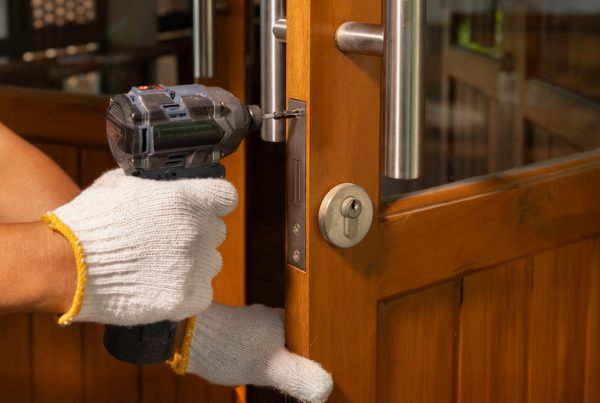
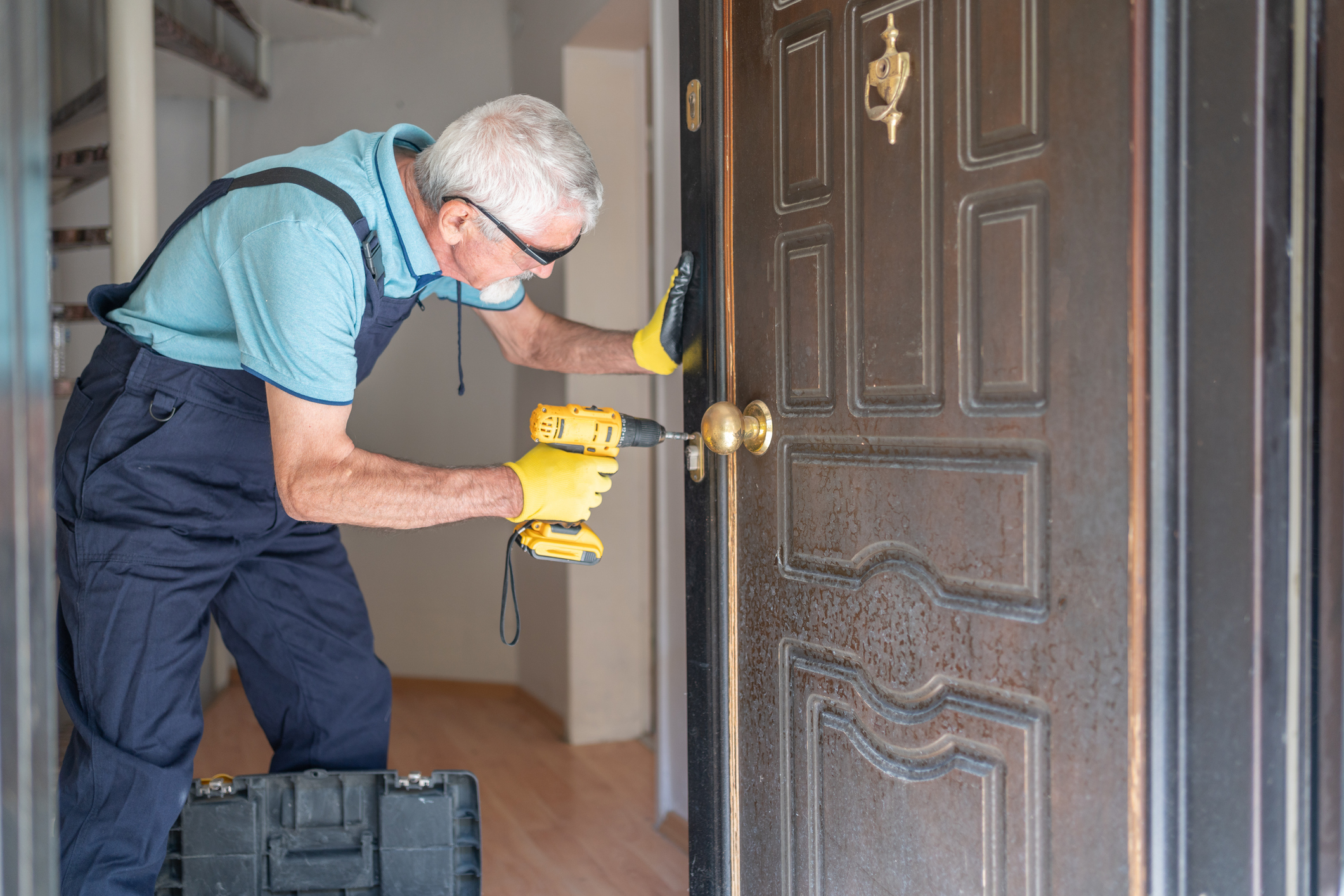
Drilling is a legitimate locksmith technique when other suitable entry methods cannot resolve the problem. However, it should not be the first response to every lockout.
A lock may need to be drilled if it has failed internally, suffered serious damage or cannot be opened using an appropriate non-destructive method. High-security locks may also be designed to resist common entry techniques.
If drilling is required, the affected cylinder or lock will normally need replacing. This adds the cost of replacement parts and means the original lock cannot remain in use.
Before drilling, the locksmith should explain why it is necessary and what will need to be replaced afterwards. You should be given an opportunity to understand the proposed work rather than finding that the lock has been drilled without a clear explanation.
What Does a Locksmith Check Before Opening the Door?
A professional locksmith begins by understanding what happened before the door became inaccessible. We may ask whether the key has been lost, left inside, snapped in the lock or stopped turning correctly.
We will also need to know whether the door was pulled shut or fully locked with a key. A door that has only latched closed presents a different situation from one where hooks, bolts or a deadlock have been engaged.
The door material and lock type will then be assessed. Timber, composite, aluminium and UPVC doors can use different locking arrangements. The locksmith may inspect the cylinder, handles, latch, frame and visible door furniture before selecting a method.
Signs of damage or mechanical failure also matter. A loose handle, stiff key or door that previously needed to be pushed into the frame may indicate that the lockout is connected to an underlying fault.
A responsible locksmith may ask for proof that you are authorised to enter the property. This helps protect homeowners, tenants, landlords and businesses from unauthorised access.
Can a UPVC Door Be Opened Without Drilling?
It may be possible to open a UPVC door without drilling, depending on what has caused the problem. These doors commonly use a euro cylinder connected to a multipoint locking mechanism.
If the lock is functioning and the problem is simply that the keys have been left inside, non-destructive entry may be possible. If the cylinder has jammed or the internal gearbox has failed, the situation can be more complicated.
A UPVC door can also become difficult to open when it drops or moves out of alignment. The hooks, rollers and bolts may no longer line up correctly with the keeps in the frame. This can place pressure on the cylinder and gearbox.
We inspect the complete locking system rather than looking only at the keyway. The handles, cylinder, gearbox and door alignment may all need to be checked. If a component has failed, we will explain whether it can be repaired or needs to be replaced.
Can a Wooden Door Be Opened Without Damaging It?
Wooden doors are commonly fitted with night latches, mortice locks or a combination of both. Whether the door can be opened without damage depends on which locks are engaged and whether they are still working correctly.
A door that has closed behind you may only have the night latch engaged. If the lock is operating normally, a suitable non-destructive technique may be available.
A mortice lock that has been fully secured can present a different challenge. The number of locks fitted, the standard of the hardware and the condition of the door will influence the available options.
Wooden doors can also swell or move within their frames. If the bolt is under pressure, the lock may appear to have failed even though door alignment is contributing to the problem. The full door setup should be assessed before a repair or replacement is recommended.
Do Residential Lockouts Always Require a New Lock?
No. If the door can be opened without damaging the lock and the existing hardware remains dependable, there may be no need to replace it.
A new lock may be recommended if your keys have been lost and could identify the property. Replacement may also be appropriate if the cylinder is worn, damaged or unsuitable for the door.
If you have left your keys inside and recover them after entry, the existing lock may remain secure. We will test its operation and let you know if we identify any signs of wear or failure.
Our residential locksmith services include home lockouts, lock repairs, replacements and security improvements throughout Reading. We focus on resolving the actual problem and will not recommend a new lock when the existing one remains safe and reliable.
Can You Open a Commercial Door Without Drilling?
Commercial lockouts can involve shops, offices, warehouses, managed buildings or shared entrances. The locking arrangements may be different from those found in a typical home, particularly where multiple employees or key holders use the premises.
A commercial entrance may have a mortice lock, euro cylinder, multipoint mechanism or another type of security hardware. Some buildings also use access control or master key systems.
Non-destructive entry may be possible when a working lock has become inaccessible because keys are missing or unavailable. If the mechanism has failed, suffered damage or forms part of a wider security system, further assessment may be required.
For commercial premises, we must confirm that the person requesting entry has the authority to instruct the work. This may involve speaking with the business owner, landlord or facilities manager.
Our commercial locksmith services help businesses across Reading with staff lockouts, failed entrance locks, key-control problems and planned security work.
Why Should You Avoid Trying to Force the Door?
Attempting to force a locked door can cause more damage than the original problem. Levering the door can damage the frame, handles, lock case or surrounding door material.
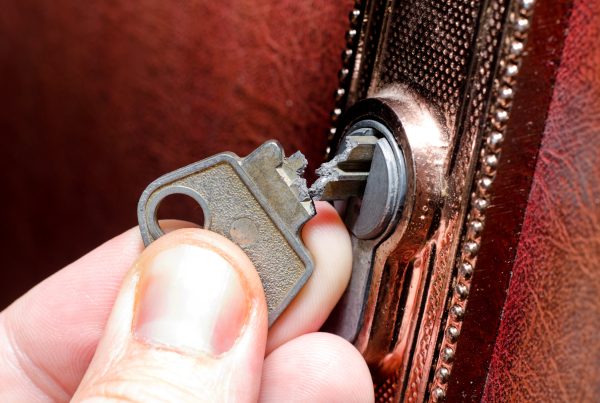
Putting unsuitable tools into the keyway can harm the cylinder and reduce the chance of a successful non-destructive entry. If a key is jammed or broken, attempting to pull it out with knives, pins or glue can push the fragment deeper into the lock.
Repeatedly forcing a stiff handle can damage a UPVC or composite door gearbox. What may have started as a door-alignment issue could then require replacement components.
If you are locked out, leave the lock untouched where possible. Explain exactly what happened when you contact the locksmith, including whether anyone has already attempted to open the door.
What Happens When You Call a Locksmith in Reading?
When you call us, we will ask you to describe the property, door and lock problem. Let us know whether the keys are lost, inside the property or broken in the lock.
You should also explain whether the door is simply closed or whether it has been fully locked. Mention any unusual behaviour before the lockout, such as a stiff key, loose handle or door that needed to be lifted before locking.
We will confirm whether the job is within our scope and provide a realistic attendance estimate based on current availability, location and traffic. Once at the property, we will inspect the lock and explain the available entry options.
Where a suitable non-destructive method can be used, this will be our preferred approach. If drilling or replacement is genuinely required, we will explain the reason before carrying out the agreed work.
After entry has been gained, the lock and door will be tested. If a repair, adjustment or replacement is needed, you will be able to discuss the options before deciding how to proceed.
How Long Does Non-Destructive Entry Take?
There is no fixed time because every lockout is different. A straightforward lockout involving a functioning lock may be resolved relatively quickly. A failed mechanism or heavily secured door can require more time to inspect and open.
The lock type, door condition and position of the internal components all affect how long the work takes. Previous attempts to force or drill the lock can also make the job more complicated.
Be cautious of anyone who guarantees that every door can be opened within a set number of minutes. A realistic assessment can only be made after the locksmith understands the lock and circumstances.
Does Non-Destructive Entry Cost Less Than Drilling?
Non-destructive entry may avoid the cost of replacing the lock, but the overall price depends on the work required. Opening a functioning lock is different from dealing with a failed cylinder, damaged mortice case or broken multipoint mechanism.
If drilling is necessary, the cost may include both the entry work and a compatible replacement lock. The exact price will depend on the type and security level of the replacement part.
You should receive a clear explanation of the likely work before it begins. Be wary of unusually low advertised prices that do not explain what is included or how replacement parts will be charged.
How Can You Reduce the Risk of Future Lockouts?
Having a secure spare key available through a trusted family member or suitable key safe can reduce the likelihood of an emergency lockout. Never hide keys in obvious places around the property.
Pay attention to changes in how the lock operates. A key that becomes difficult to turn, a handle that feels loose or a door that only locks when lifted should be inspected before the mechanism fails.
Replace damaged or badly worn keys rather than continuing to use them. If you have recently lost keys or moved into a new property, consider whether changing the locks would provide better security.
Businesses should maintain clear control over keys issued to staff. Missing keys, unreturned copies and unclear access responsibilities can create both operational and security problems.
Choose a Locksmith Who Treats Drilling as a Last Resort
Many locked doors can be opened without drilling, but no responsible locksmith should promise that every lock can be opened without damage. The result depends on the type of lock and whether it has suffered an internal failure.
What matters is that the locksmith properly assesses the door before choosing an entry method. Non-destructive techniques should be used where appropriate, while drilling should be reserved for situations where it is genuinely necessary.
We provide locksmith assistance throughout Reading, including Caversham, Tilehurst, Earley, Lower Earley, Whitley and the town centre. Customers deal directly with the locksmith carrying out the work and receive a clear explanation of the available options.
If you are locked out of your home or business, get in touch with Assured Locksmiths. Tell us what happened, what type of door is affected and whether the property can currently be secured.